
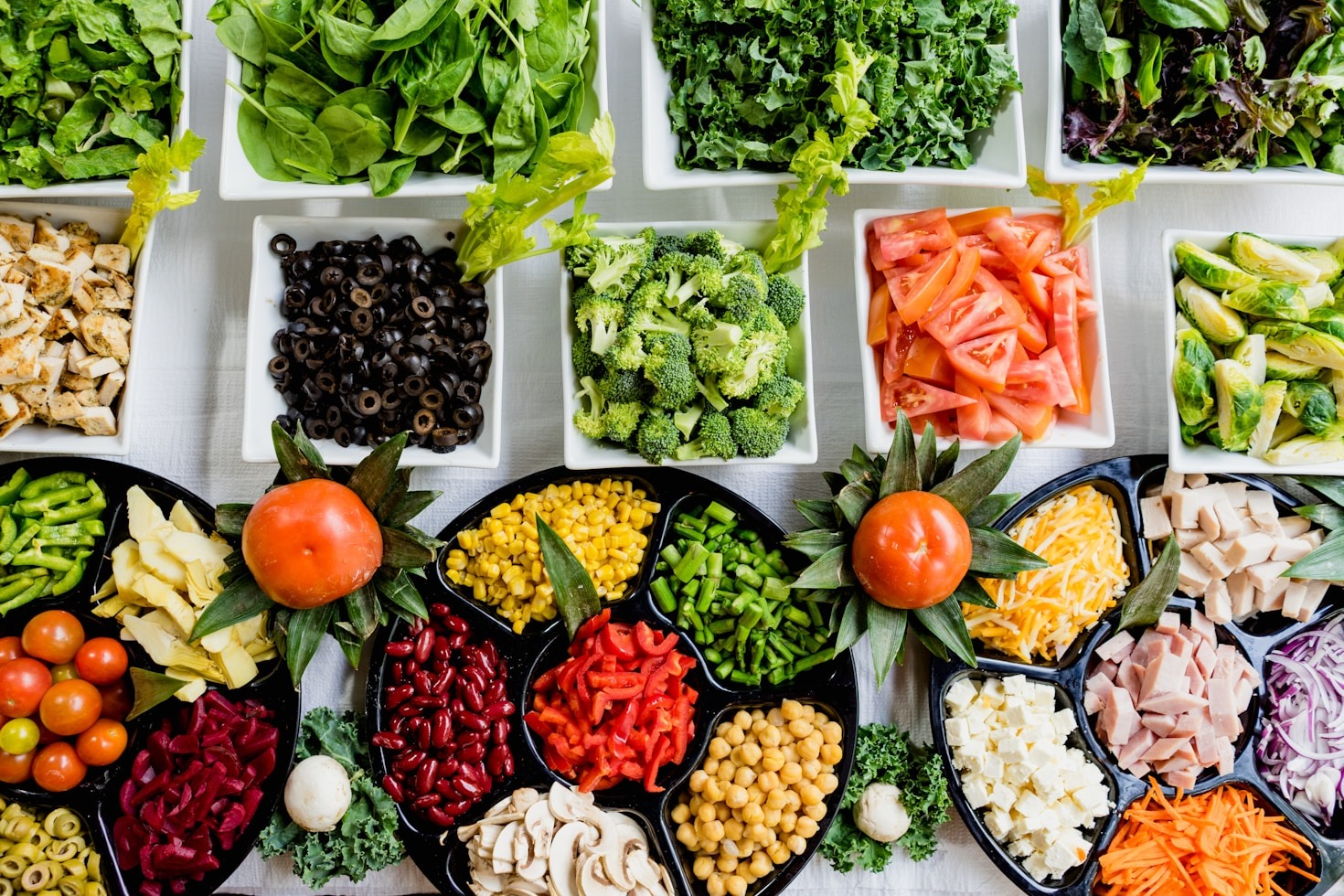
When living with chronic kidney disease (CKD), what you eat and drink can make an important difference. Healthy kidneys help maintain the right balance of salts and minerals in the blood, but when kidney function declines, this balance can become harder to maintain. Paying attention to nutrients such as sodium, potassium, phosphorus, protein, and fluids may help support kidney health and overall well-being.
Nutrition is also about making sure your body gets the energy and nutrients it needs. Calories, healthy fats, and protein all have important roles in keeping the body strong and properly nourished. At the same time, some people with CKD may need to limit certain nutrients or fluids because their kidneys cannot remove them as effectively. For example, too much sodium can contribute to fluid retention and high blood pressure, while imbalances in potassium or phosphorus can lead to other health concerns.
As CKD progresses, nutritional needs can change, so there is no single eating plan that works for everyone. A diet that is appropriate at one stage may need to be adjusted later based on kidney function, treatments, and other health needs. Working with a health care professional or registered dietitian can help you understand these changes and create a personalized plan that provides the nutrition your body needs while supporting your kidney health.
Sources:
IGA nephropathy foundation
https://www.actiononsalt.org.uk/


Leave a Reply