
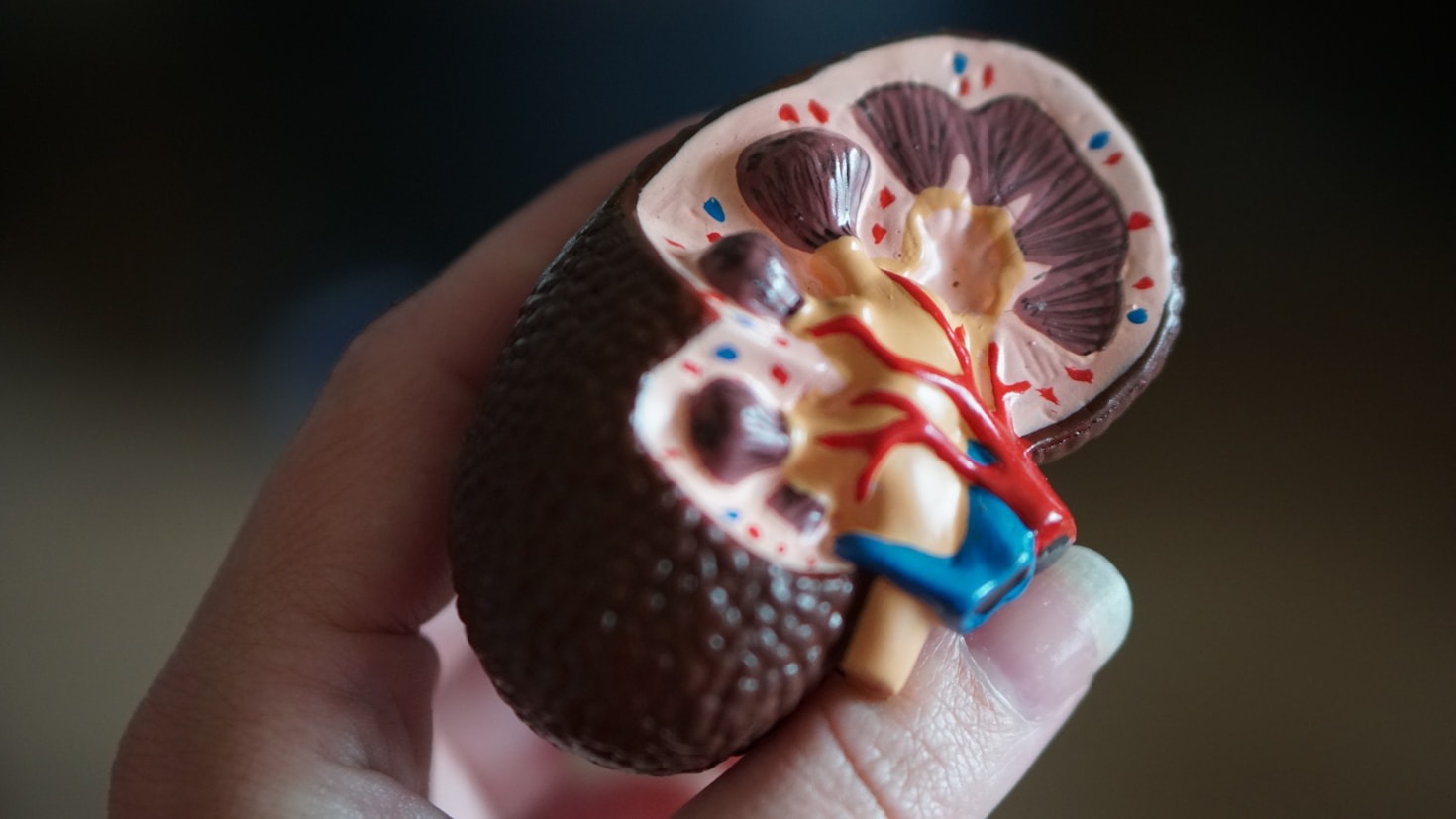
At this point, you may be wondering whether following a renal diet means giving up all your favorite foods. The answer is not necessarily! A renal diet is less about strict rules and more about finding the right balance for your individual needs. Since everyone’s kidney health and nutritional requirements are different, recommendations for sodium, phosphorus, protein, potassium, calcium, and fluids can vary from person to person. That’s why working with a renal dietitian is so valuable, they can help you understand which choices are right for you and create a personalized plan that supports your kidney health while still making meals enjoyable and realistic.
A renal diet is more than simply limiting certain foods—it is about supporting kidney health through informed, personalized nutrition choices. By paying attention to nutrients such as sodium, phosphorus, protein, potassium, calcium, and fluids, individuals can better understand how their diet may fit into their overall kidney care.
Another misconception is that a renal diet means eliminating entire food groups or avoiding protein completely. Protein can still be an important part of a balanced diet; the key is choosing appropriate amounts and, when recommended, focusing on high-quality protein sources. Similarly, nutrients such as potassium and phosphorus are not automatically “bad”—some people may need to monitor them more closely, while others may not need the same restrictions.
Perhaps the most important myth to leave behind is that managing kidney nutrition has to mean giving up enjoyable meals. It’s possible to make thoughtful food choices while still enjoying a varied and satisfying diet. The best approach is to avoid generalized advice and seek guidance from a renal dietitian who can help determine what works for your individual needs. With accurate information and personalized support, kidney-friendly eating can become a practical part of everyday life.
Sources:
IGA nephropathy foundation
Action on sal

Leave a Reply