
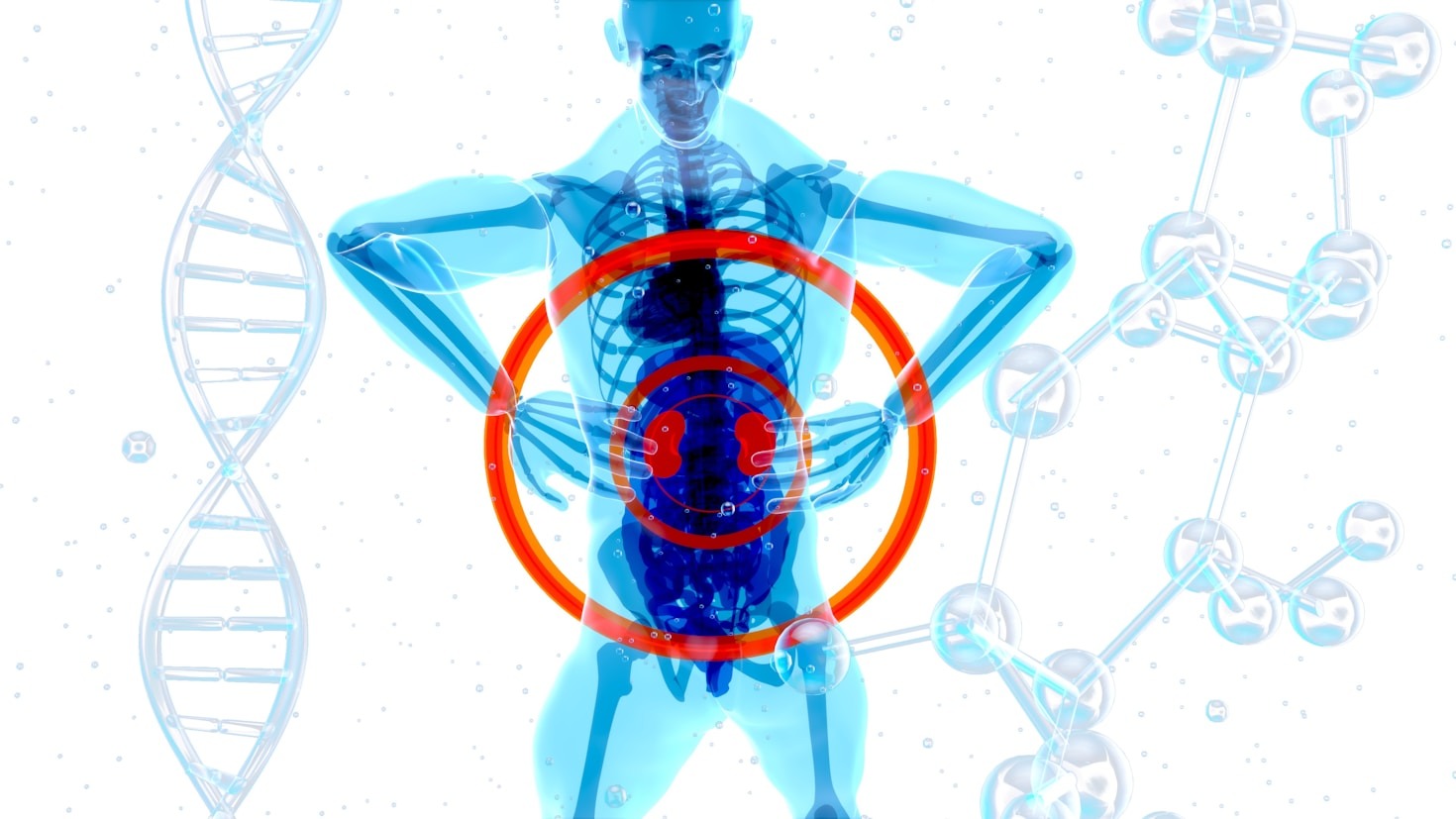
Have you ever wondered why nutrition plays such an important role in kidney health? A renal diet is designed to help support the kidneys by carefully managing certain nutrients and fluids.
In general, a renal diet is low in sodium, phosphorus, and protein. But that doesn’t mean protein is completely off the menu! Instead, the focus is often on choosing high-quality sources of protein while consuming the appropriate amount for your individual needs. In many cases, fluid intake may also need to be limited.
So, what should you eat? The answer can be different for everyone. That’s why working with a renal dietitian is so important. A qualified dietitian can help create a personalized eating plan based on your body, medical needs, lifestyle, and nutritional requirements.
But here’s the important part: there is no “one-size-fits-all” renal diet. Depending on a person’s health and kidney function, they may also need to monitor their intake of potassium or calcium.


Think of a renal diet not as a list of foods you can or cannot eat, but as a personalized approach to giving your body the nutrition it needs while supporting kidney health. With the right guidance, making thoughtful food choices can become a manageable—and empowering—part of your daily routine.
At this point, you may be wondering whether following a renal diet means giving up all your favorite foods. The answer is not necessarily! A renal diet is less about strict rules and more about finding the right balance for your individual needs. Since everyone’s kidney health and nutritional requirements are different, recommendations for sodium, phosphorus, protein, potassium, calcium, and fluids can vary from person to person. That’s why working with a renal dietitian is so valuable—they can help you understand which choices are right for you and create a personalized plan that supports your kidney health while still making meals enjoyable and realistic.
A renal diet is more than simply limiting certain foods—it is about supporting kidney health through informed, personalized nutrition choices. By paying attention to nutrients such as sodium, phosphorus, protein, potassium, calcium, and fluids, individuals can better understand how their diet may fit into their overall kidney care. Most importantly, remember that every person is different, so there is no single renal diet that works for everyone. Working with a renal dietitian can provide the guidance needed to create a safe, balanced, and personalized eating plan. With the right knowledge and support, making thoughtful food choices can become an empowering step toward better kidney health and overall well-being.
Sources:
https://www.nih.gov/
American kidneys fund
Leave a Reply