
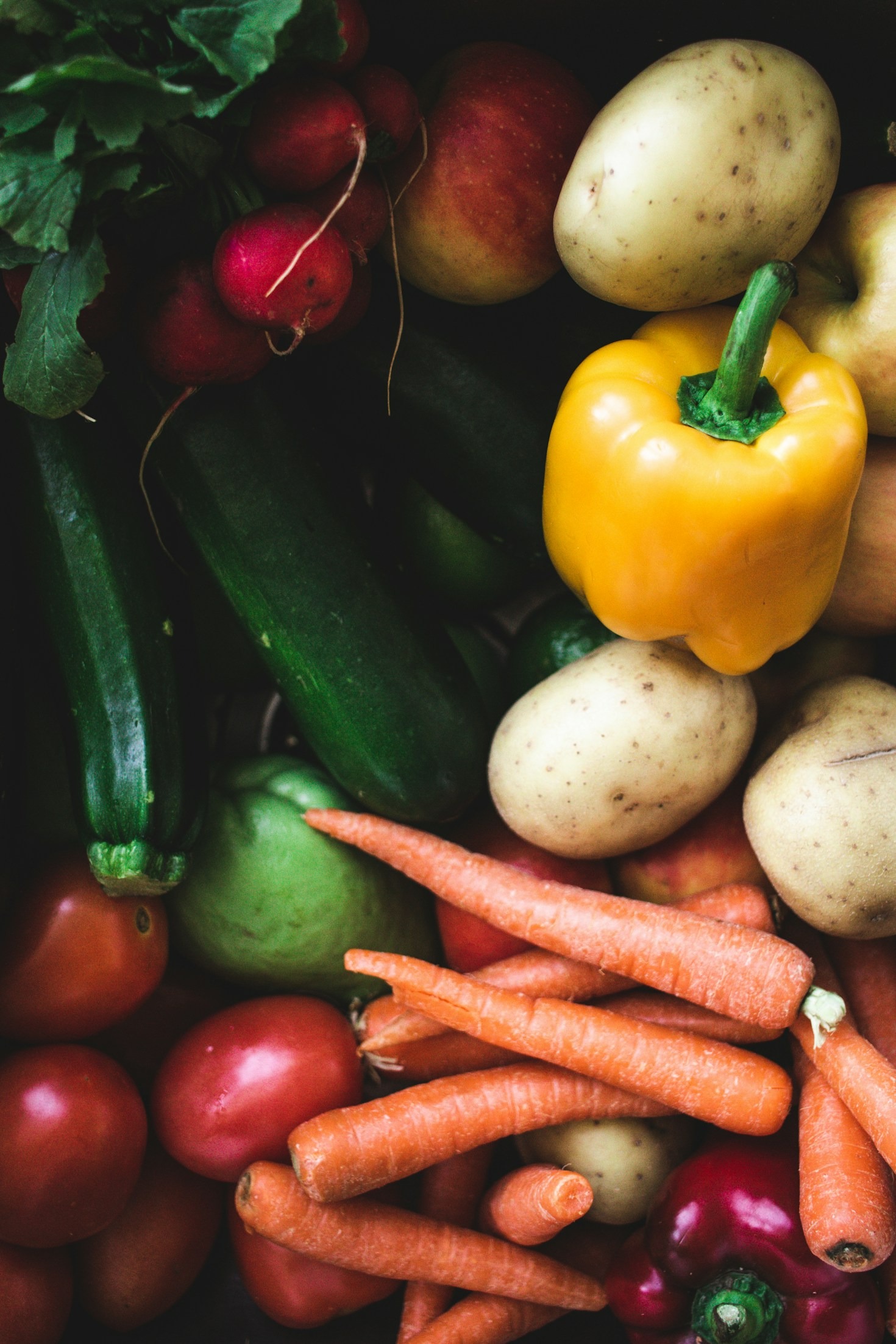
Salt intake increases the amount of urinary protein which is a major risk factor for developing kidney disease and cardiovascular disease.
Kidney stones are relatively common. Over a lifetime, 6% of women and 11% of men will have kidney stones at least once. Although common, kidney stones are painful and can cause nausea, difficulty passing urine and may progress to kidney disease if there is a blockage.
.

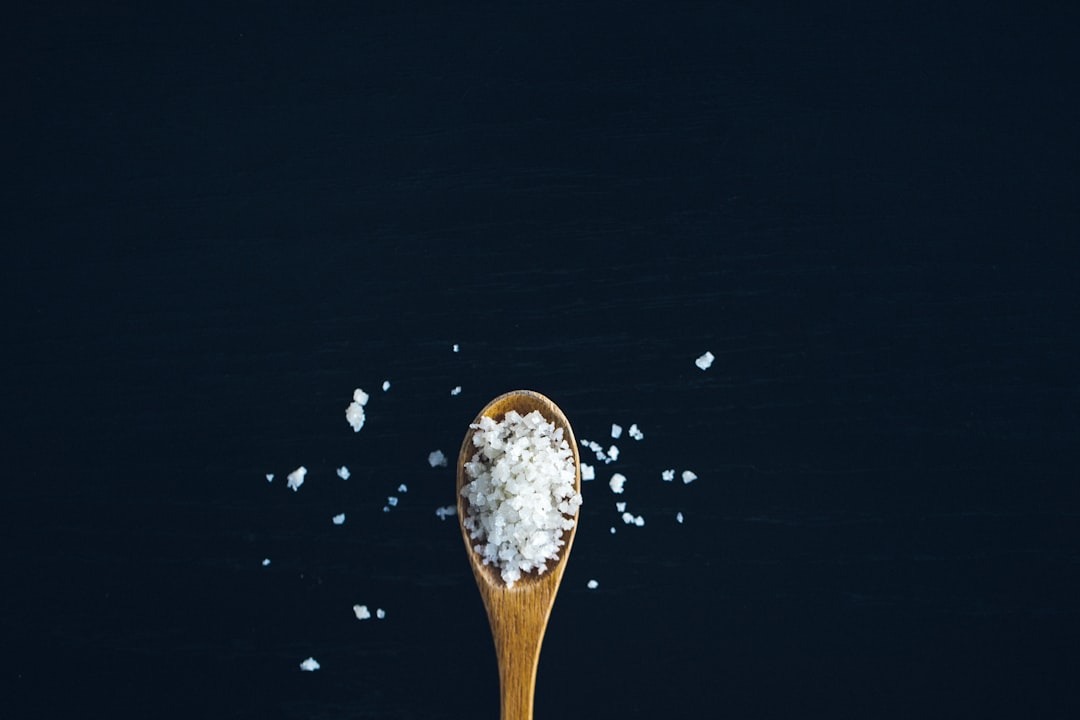
Losing too much calcium in the urine (known as Hypercalciuria) is present in 80% of kidney stone patients and it has also been found that individuals with raised blood pressure are more likely to develop kidney stones. A reduction in salt intake may therefore be of particular benefit to these people as it not only lowers blood pressure but can also reduce urinary calcium excretion. A diet designed to reduce hypertension (the DASH diet) has been found to be associated with a marked decreases in kidney stone risk.
Reducing salt intake can be an important part of protecting kidney health, particularly for people who are at higher risk of kidney disease or kidney stones. Too much sodium can contribute to fluid retention and higher blood pressure, placing additional stress on the kidneys. It can also increase the amount of calcium released into the urine, which may contribute to the formation of certain types of kidney stones. For this reason, choosing fresh foods more often and limiting highly processed, packaged, and salty foods can be a simple way to support both kidney and cardiovascular health. Small changes, such as using herbs and spices instead of extra salt and checking nutrition labels, can make a meaningful difference over time.
Leave a Reply