

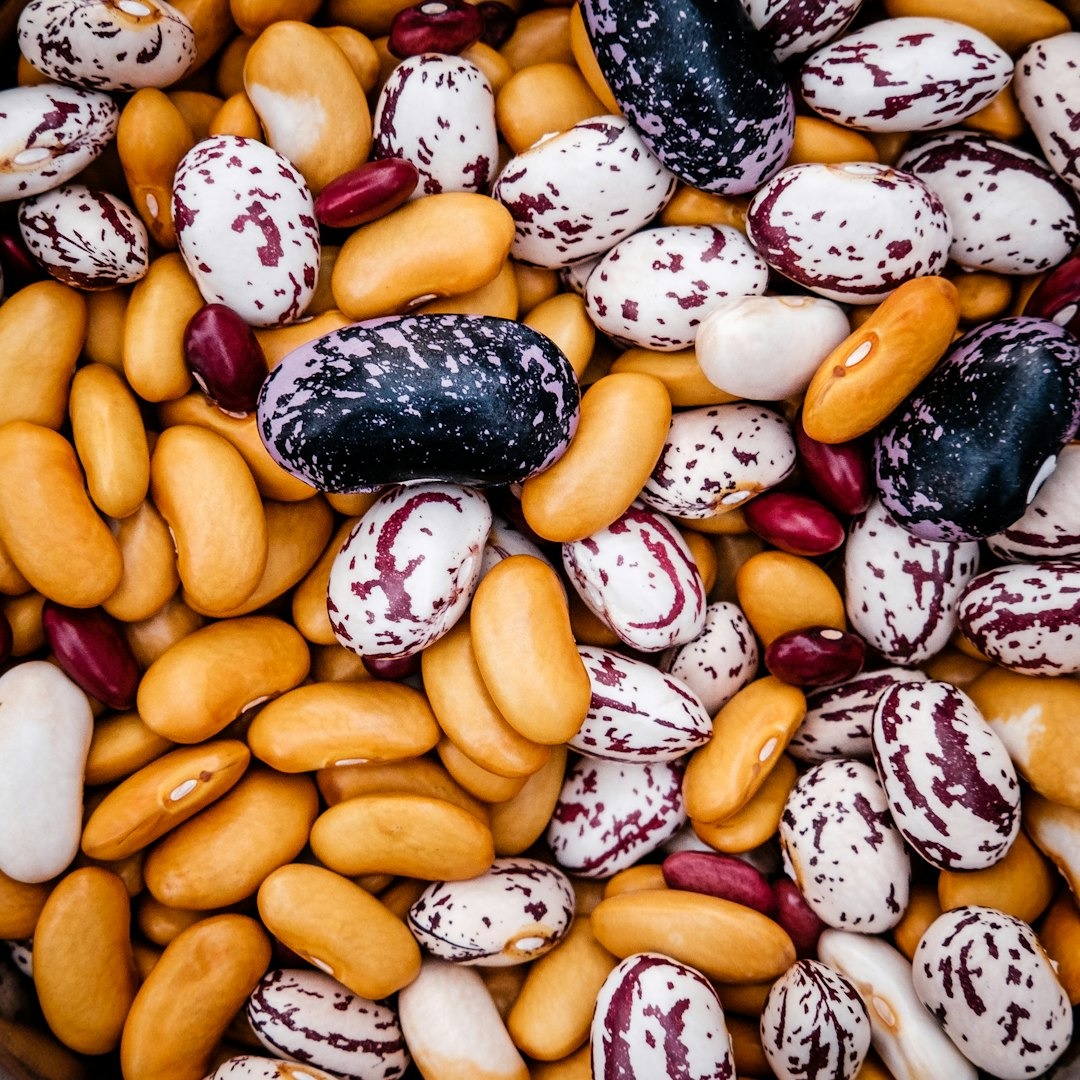
Following a kidney-friendly eating plan doesn’t have to mean overspending on groceries. You can find affordable sources of protein like eggs, beans, lentils, tofu, and canned fish, which serve as practical alternatives to pricier cuts of meat. When selecting canned foods, opt for low-sodium options or rinse them when appropriate to reduce excess sodium
Planning portion sizes and freezing any leftover meat can also help minimize food waste. If you’ve been advised to limit potassium or phosphorus intake, carefully check food labels for added ingredients to ensure they fit within your dietary guidelines. Smart planning is key to keeping grocery costs manageable. Before shopping, take a quick inventory of your pantry, plan your meals for the week, and create a detailed shopping list.
Building meals around ingredients you already have can reduce waste and help prevent unnecessary purchases. Additionally, choosing seasonal produce, store-brand products, and frozen fruits and vegetables can help stretch your budget while still providing nutritious options. When buying canned foods, consider low-sodium or no-salt-added varieties, and follow your dietitian’s guidelines regarding potassium and phosphorus intake. Finally, eating well on a budget can be both simple and enjoyable.
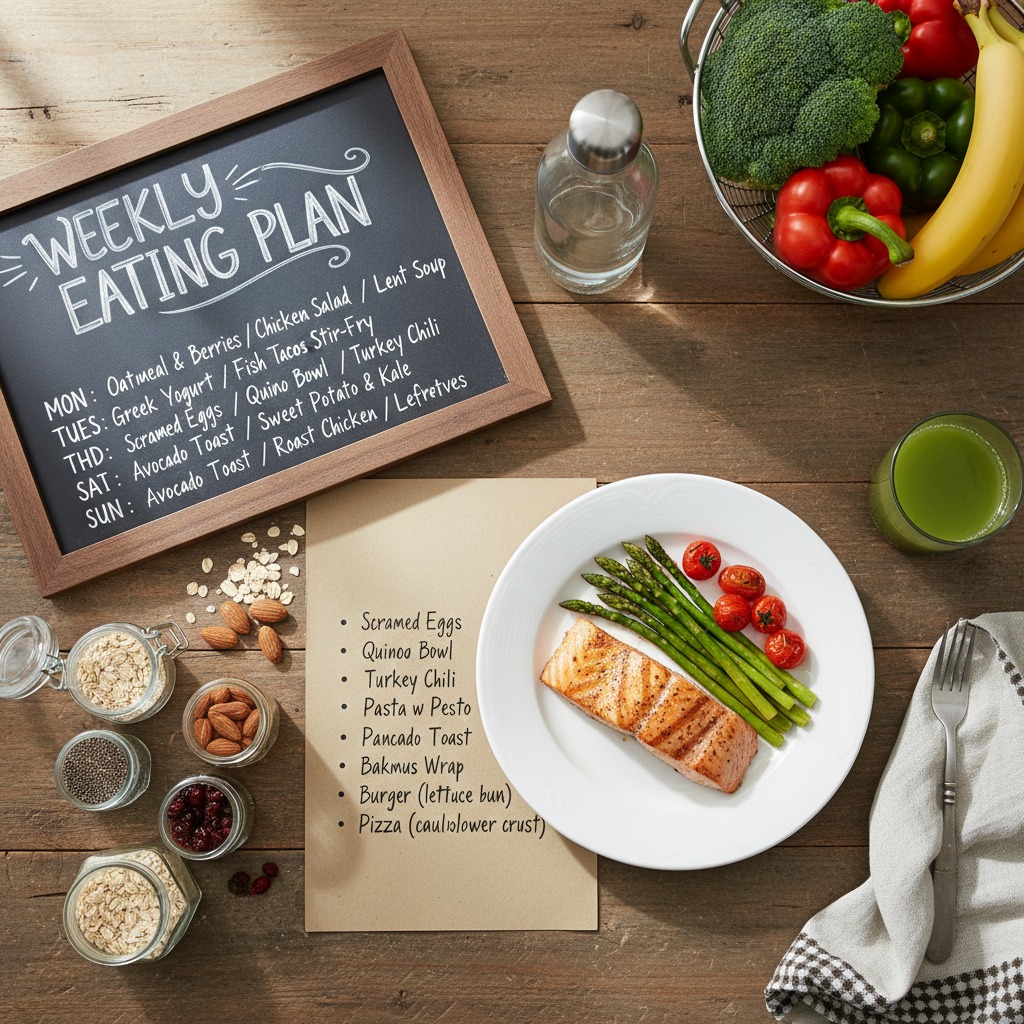
Meals like lentil soup, vegetable stir-fries, egg scrambles, salads with appropriate protein, or oatmeal with fruit can be affordable, filling, and easy to prepare. Making larger portions can also provide leftovers for another meal, saving both time and money
Remember, kidney-friendly nutrition is highly individual, so before altering your diet, especially regarding protein, potassium, phosphorus, or fluid intake, consult with your healthcare professional or renal dietitian to determine what is best for you.
Sources:
IGA Nephropaty foundation
UCLA health
Leave a Reply